
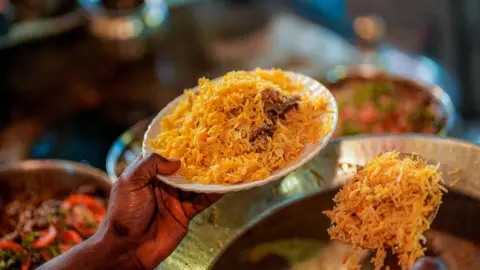
Delectable kebabs, fragrant biryani, and fluffy, cloud-like desserts.
The historic city in northern India of Lucknow has long been a food lovers' paradise, with locals and visitors alike swearing by its exquisite cuisine.
Worldwide Recognition
Recently, Unesco recognised it as a UNESCO Creative City for Gastronomy – placing it on a select roster of world cities and igniting hopes that it will highlight Lucknow's sublime food. With this status, it enters a global network of over 400 cities across over 100 countries committed to promoting "artistic expression as a driver of city development that is sustainable".
The recognition "demonstrates its deep-rooted gastronomic legacy and vibrant culinary scene," as noted by a spokesperson from Unesco's regional bureau for South Asia.
Lucknow is merely the second Indian city – after Hyderabad, which was picked in 2019 – to secure a position in this coveted list of 70 global destinations around the world.
A Metropolis Shaped by Cuisine
The accolade for this historic city is hardly a shock to its locals or dedicated food lovers. Many echo the opinion that it is "a recognition that was delayed".
With the UNESCO designation, this beloved, bustling, and vibrant city – the capital of India's largest state – is finally in the spotlight for what has perennially shaped its heart: an unparalleled love for food.
"'What will be cooked, how should it be prepared' is a ongoing discussion from waking up until going to bed in many homes," notes a local cultural expert. "And you are truly assessed by the excellence of food that emerges from your kitchen."
An Imperial Food Tradition
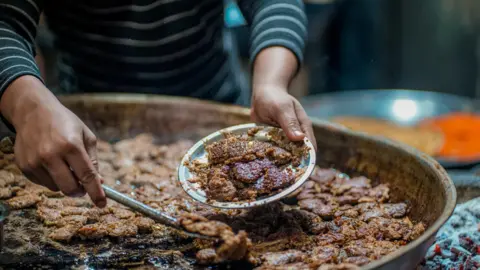
The City of the Nawabs – as it's popularly called after its 18th and 19th Century affluent Muslim rulers – is famed for its melt-in-the-mouth kebabs and a singular take on biryani that were created, refined, and raised to exquisite levels in their imperial kitchens.
These imperial kitchens were hubs of food experimentation, fusing Iranian and local Indian styles to create what became known as the culinary tradition of Awadh.
It was during this time that Lucknow's iconic kebabs were developed. The story goes that the galouti kebab was invented to feed an ageing nawab who had no longer had his teeth. His culinary artists processed the meat with papaya, kesar, and spices and made it so fine that it required no chewing.
But perhaps the biggest contribution of the cooks of Awadh was the slow-cooking Dum pukht technique, where food is cooked on a low, leisurely heat, with the container's cover securely sealed with dough.
A Diverse Culinary Landscape
In addition to the well-known kebabs and biryani, the culinary masters also built up a collection of dishes that included kormas (creamy curries), sheermal (saffron-infused flatbread), and shahi tukda (a rich bread pudding).
However, Lucknow is not just about kebabs and biryani – the region is also a dream for plant-based eaters.
The local Baniya community's cuisine not only showcases local ingredients but also provides the city its highly curated Indian desserts, sweets, and unique street food, like chaat – zesty fried snacks.
Hidden Gems and Legacy Eateries
Nearly on every corner, there are tiny kiosks and kiosks – lesser-known treasures that are immensely popular with the locals.
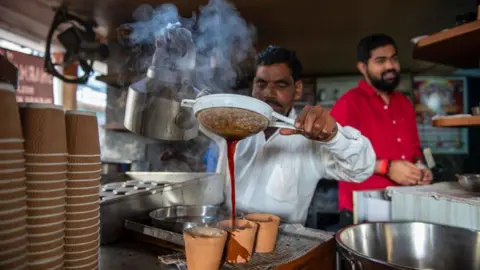
In the central district of Hazratganj, large gatherings start milling around from the crack of dawn at a legendary tea stall to get a piping hot cup of spiced tea with milk, presented in earthenware cups, along with fluffy buns covered in hand-churned white butter.
For breakfast, one can make their way to a unpretentious joint situated in the historic quarter of Aminabad. Almost 150 years after it was founded, the place is still in great demand for its freshly fried kachoris (fried bread stuffed with lentils) and jalebis (crispy, syrup-soaked sweets).
Safeguarding a Culinary Heritage
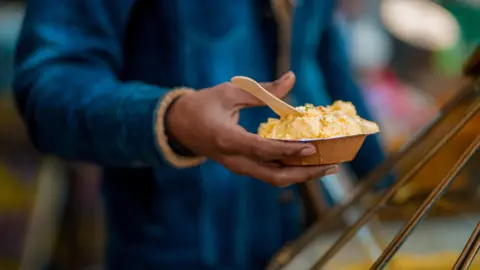
The city also presents special treats of the season, such as makkhan malai, a frothy dessert available in the winter. The method of making it is scientific and demanding. The cook hand-churns the milk and then sets it out at night, allowing the nighttime moisture to give it its amazing airy feel.
On chilly mornings, street vendors line up in old city areas like Aminabad and Chowk. A number of though say that their younger generation do not want to learn the skill.
A well-known culinary expert from Lucknow has noted that the city's immense food legacy puts it right on top of the Indian street food experience. The real value from the UNESCO recognition, it is believed, will occur only if Lucknow can now create awareness about its under-the-radar eateries.
Every dish in Lucknow has a narrative – crafted by generational food businesses, from humble street carts to lively restaurants, and guarded family recipes.
The worldwide honor, it is anticipated, will encourage more people around the world to discover these narratives and travel to the city to delight in the culinary delights of Lucknow.

